Companies




Navegue por produtos por área de especialidades médicas ou terapias

Artroplastia
Produto por terapias
Produto por tipo
Medicina esportiva
Produto por terapias
Portfólio de joelhos - AReconstrução CL /PCL
Portfólio do joelho - Reparo do menisco
Portfólio de ombro - Reparo de Bankart/Slap
Portfólio de ombros - Reparo do manguito rotador
Produto por tipo
Implante de fixação cortical com alça ajustável
Sistema de reparo meniscal All Inside
Todas as âncoras de sutura
Parafusos de interferência bioabsorvíveis
Âncora de sutura PEEK sem nó
Parafusos de interferência PEEK
Scope
Âncoras de sutura PEEK parafusadas
Reparo de tecidos moles Âncoras PEEK
Parafusos de interferência de titânio



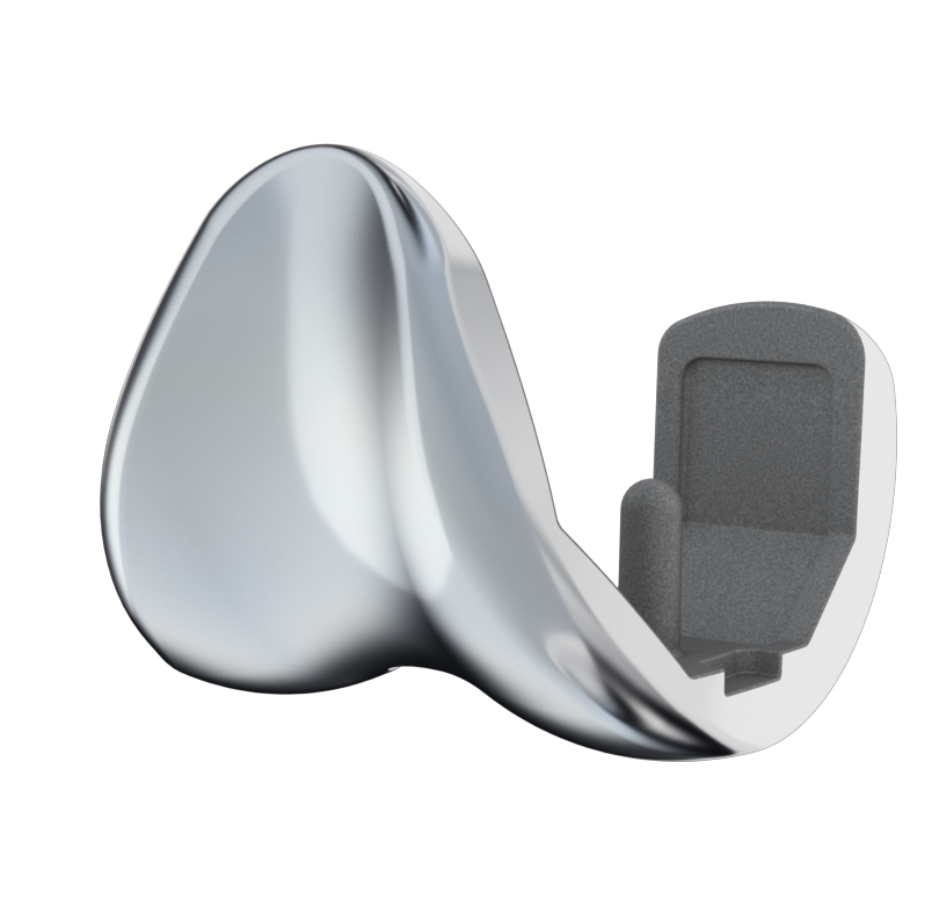
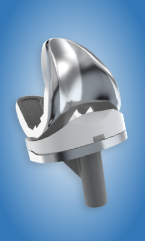
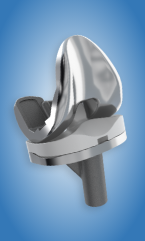
Arco de raio único para proporcionar melhor estabilidade ântero-posterior por meio de um único raio de curvatura de 0° a 115°, raio de curvatura otimizado no côndilo posterior com raio de curvatura reduzido para flexão profunda sem impacto na inserção de poli.
View size chart View size chart
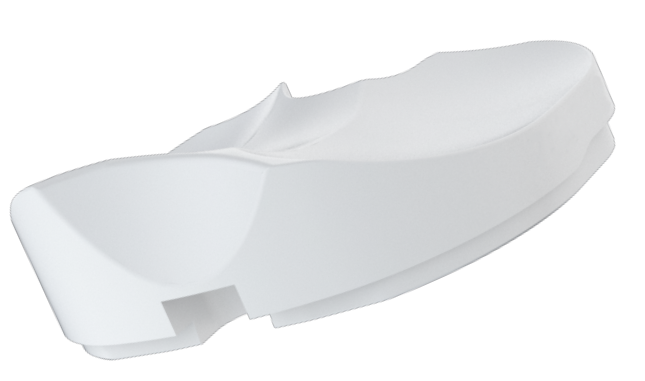
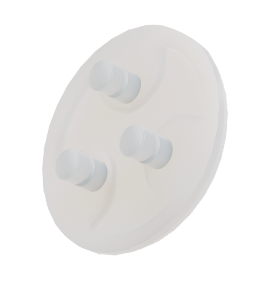
A inserção foi projetada com um recesso profundo no sulco patelar para alívio do tendão patelar, um lábio medial anterior elevado para proporcionar estabilidade medial e um caminho arqueado do côndilo lateral para a função natural do joelho, facilitando a rotação do côndilo lateral em torno do côndilo medial, proporcionando assim uma cinemática natural do joelho. O chanfro posterior liso da inserção de poliéster evita o impacto vital no tecido mole. O lado medial atua como uma "articulação esférica e de soquete" parcial, não fornecendo nenhum movimento paradoxal e abordando a instabilidade de flexão média a alta.
View size chart
View size chart
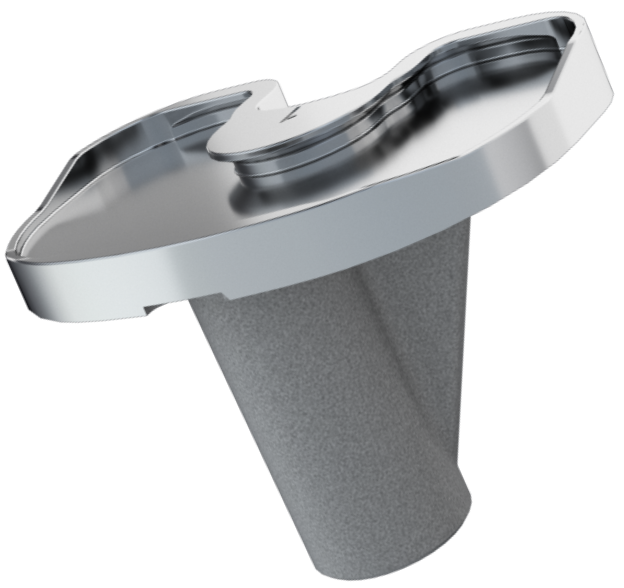
O mecanismo comprovado de travamento em cauda de andorinha e aro periférico contínuo ajudam a minimizar o micromovimento anteroposterior e medial.iolateral, levando a um desgaste mínimo da parte traseira.
View size chart
View size chart



| STUDY NAME | TYPE OF STUDY | TOTAL PATIENTS | STATUS |
|---|---|---|---|
| Medial Pivot with Kinematic Alignment Study | Retrospective Study | 52 | In Process for Publication |
| Cruciate retaining Medial Pivot study | Retrospective Study | 555+ | Ongoing Recruitment |
| Robotic Medial Pivot Joint Study | Retrospective Study | 253+ | Ongoing Recruitment |
| Saviour Hospital Excel MPK Study | Retrospective Study | 252+ | Under Publication |
The medial-pivot knee is designed to more closely replicate the kinematics of the native knee. Kinematic alignment is an emerging alignment philosophy that aims to restore the patient’s native anatomy and joint-line orientation while minimizing the need for soft-tissue releases. Combining these two approaches may provide a more physiological reconstruction of the knee and potentially improve postoperative function and patient satisfaction. This study aims to evaluate the clinical and functional outcomes of medial-pivot total knee arthroplasty performed using a kinematic alignment technique.
The cruciate-retaining medial-pivot knee is designed to preserve the native posterior cruciate ligament while incorporating a medial-pivot geometry intended to replicate the natural kinematics of the knee. Preservation of the posterior cruciate ligament, together with the inherent stability of the medial-pivot design, may provide a more physiological pattern of knee motion while maintaining satisfactory stability and function. This study aims to evaluate the clinical and functional outcomes of cruciate-retaining medial-pivot total knee arthroplasty at one year following surgery
The medial-pivot knee is designed to replicate the physiological kinematics of the native knee, with enhanced medial compartment stability and controlled lateral compartment motion. Robotic-assisted surgery may facilitate accurate bone preparation, component positioning, and alignment, potentially improving the reproducibility of medial-pivot knee implantation. This study aims to evaluate the clinical and functional outcomes of robotic-assisted medial-pivot total knee arthroplasty using the Cuvis Joint Robot for implantation of the Excel Medial-Pivot Knee (MPK) at one year following surgery
The Excel Medial-Pivot Knee (MPK) is designed to replicate the physiological kinematics of the native knee and provide enhanced medial compartment stability during knee motion. This registry is intended to prospectively collect clinical, functional, and patient-reported outcomes of patients undergoing Excel MPK total knee arthroplasty at Saviour Hospital. The registry will provide real-world evidence on the safety, clinical performance, functional outcomes, and survivorship of the Excel MPK over short- and long-term follow-up