Unternehmen




Produkte nach Fachgebieten oder Therapien durchsuchen

Arthroplastik
Produkt nach Therapien
Produkt nach Typ
Sportmedizin
Produkt nach Therapien
Knie-Portfolio- ACL /PCL Rekonstruktion
Knie-Portfolio - Meniskus-Reparatur
Schulter-Portfolio - Bankart/Slap-Reparatur
Schulter-Portfolio - Rotatorenmanschette-Reparatur
Produkt nach Typ
Einstellbares kortikales Fixationsimplantat mit Schlaufe
All-Inside Meniskus-Reparatursystem
Alle Nahtanker
Bioabsorbale Interferenzschrauben
Knotless PEEK Suture Anchor
PEEK--Interferenzschrauben
Scope
Einschraubbare PEEK-Nahtanker
PEEK-Anker für die Reparatur von Weichgewebe
Titan -Interferenzschrauben



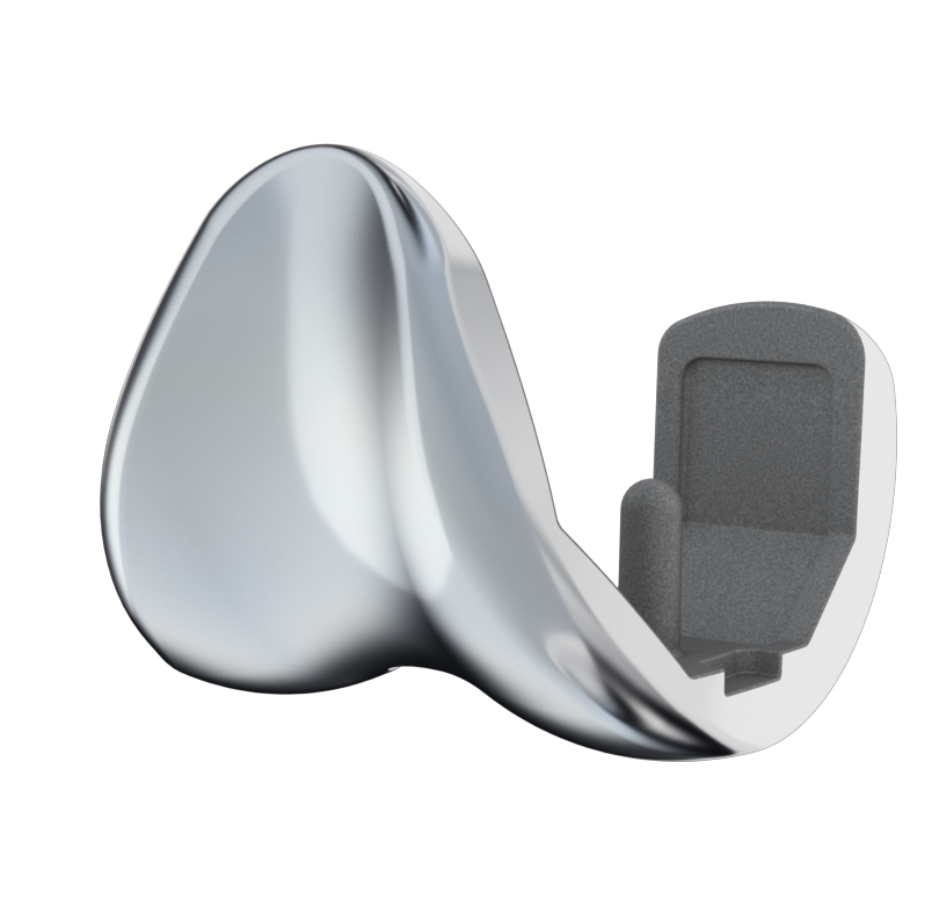
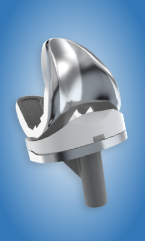
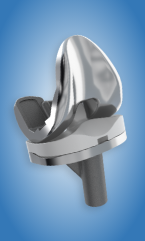
Ein-Radius-Bogen für eine bessere anteroposteriore Stabilität durch einen einzigen Krümmungsradius von 0° bis 115°, optimierter Krümmungsradius im hinteren Kondylus mit reduziertem Krümmungsradius für tiefe Flexion ohne auftreffenden Polyeinsatz.
View size chart View size chart
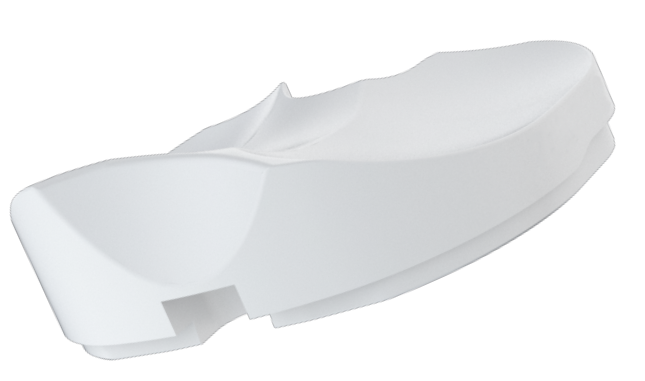
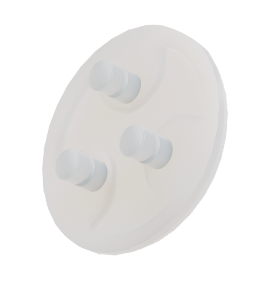
Der Einsatz wurde mit einer tiefen Aussparung zur Patellarinne zur Entlastung der Patellasehne, einer erhöhten vorderen medialen Lippe zur Gewährleistung der medialen Stabilität und einem lateralen Kondylusbogenpfad für die natürliche Kniefunktion konzipiert, wobei er die Rotation des lateralen Kondylus um den medialen Kondylus erleichtert und so eine natürliche Kniekinematik bietet. Die glatte hintere Fase des Poly-Einsatzs verhindert ein wesentliches Weichteilauftreffen. Die mediale Seite fungiert als partielles "Kugelgelenk", das keine paradoxe Bewegung bietet und die mittlere Beugung bis zu hoher Beugeinstabilität adressiert.
View size chart
View size chart
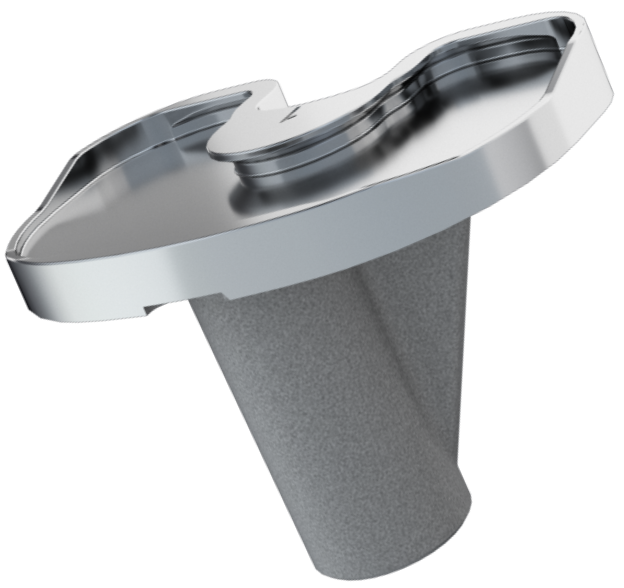
Die bewährte Schwalbenschwanz-Verriegelung und der durchgehende periphere Felgenmechanismus tragen dazu bei, die Mikrobewegung anteroposterior und mediolateral zu minimieren, was zu einem minimalen Verschleiß auf der Rückseite führt.
View size chart
View size chart



| STUDY NAME | TYPE OF STUDY | TOTAL PATIENTS | STATUS |
|---|---|---|---|
| Medial Pivot with Kinematic Alignment Study | Retrospective Study | 52 | In Process for Publication |
| Cruciate retaining Medial Pivot study | Retrospective Study | 555+ | Ongoing Recruitment |
| Robotic Medial Pivot Joint Study | Retrospective Study | 253+ | Ongoing Recruitment |
| Saviour Hospital Excel MPK Study | Retrospective Study | 252+ | Under Publication |
The medial-pivot knee is designed to more closely replicate the kinematics of the native knee. Kinematic alignment is an emerging alignment philosophy that aims to restore the patient’s native anatomy and joint-line orientation while minimizing the need for soft-tissue releases. Combining these two approaches may provide a more physiological reconstruction of the knee and potentially improve postoperative function and patient satisfaction. This study aims to evaluate the clinical and functional outcomes of medial-pivot total knee arthroplasty performed using a kinematic alignment technique.
The cruciate-retaining medial-pivot knee is designed to preserve the native posterior cruciate ligament while incorporating a medial-pivot geometry intended to replicate the natural kinematics of the knee. Preservation of the posterior cruciate ligament, together with the inherent stability of the medial-pivot design, may provide a more physiological pattern of knee motion while maintaining satisfactory stability and function. This study aims to evaluate the clinical and functional outcomes of cruciate-retaining medial-pivot total knee arthroplasty at one year following surgery
The medial-pivot knee is designed to replicate the physiological kinematics of the native knee, with enhanced medial compartment stability and controlled lateral compartment motion. Robotic-assisted surgery may facilitate accurate bone preparation, component positioning, and alignment, potentially improving the reproducibility of medial-pivot knee implantation. This study aims to evaluate the clinical and functional outcomes of robotic-assisted medial-pivot total knee arthroplasty using the Cuvis Joint Robot for implantation of the Excel Medial-Pivot Knee (MPK) at one year following surgery
The Excel Medial-Pivot Knee (MPK) is designed to replicate the physiological kinematics of the native knee and provide enhanced medial compartment stability during knee motion. This registry is intended to prospectively collect clinical, functional, and patient-reported outcomes of patients undergoing Excel MPK total knee arthroplasty at Saviour Hospital. The registry will provide real-world evidence on the safety, clinical performance, functional outcomes, and survivorship of the Excel MPK over short- and long-term follow-up