Companies




Browse products by medical specialities area or therapies

Arthroplasty
Product by Therapies
Product by Type
Sports Medicine
Product by Therapies
Knee Portfolio - ACL /PCL Reconstruction
Knee Portfolio - Meniscus Repair
Shoulder Portfolio - Bankart/Slap Repair
Shoulder Portfolio - Rotator Cuff Repair
Product by Type



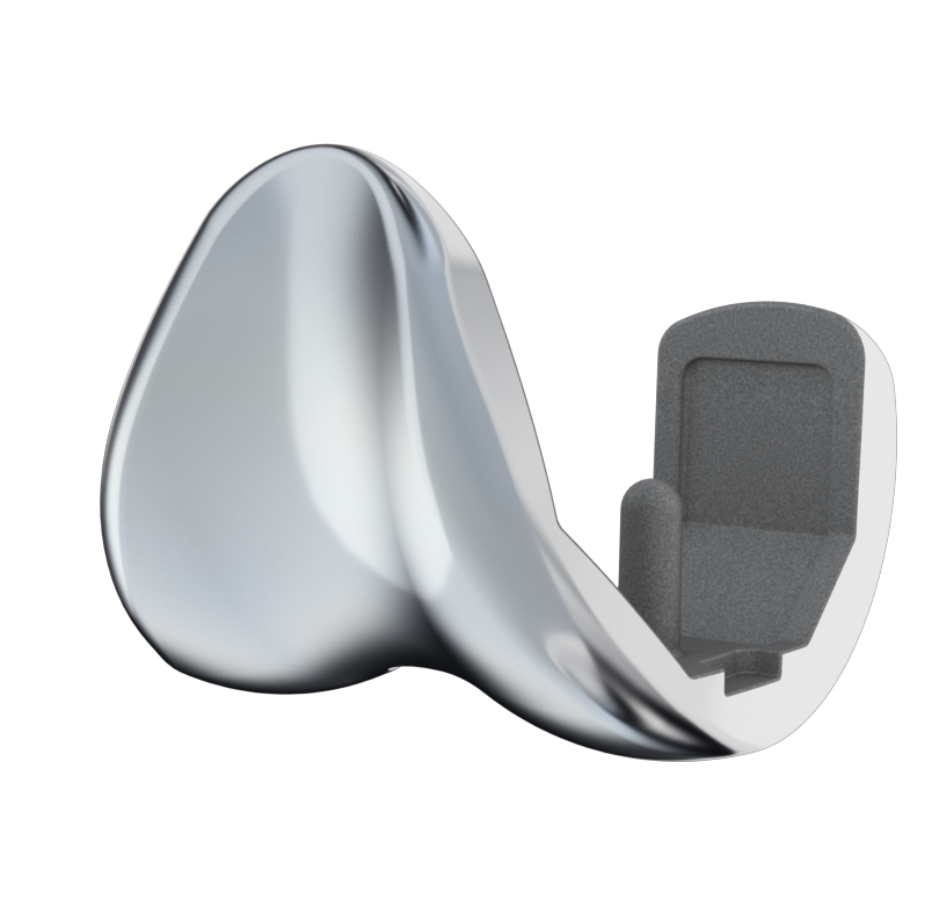
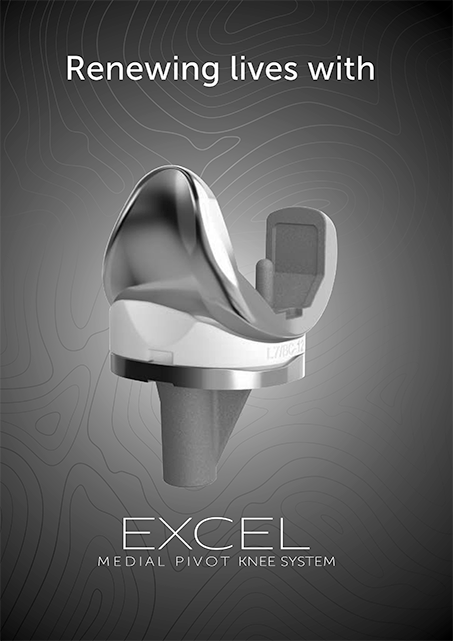
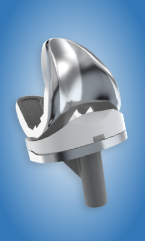
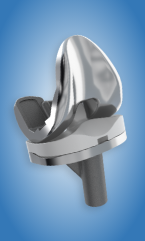
Single radius arc to provide better anteroposterior stability through a single radius of curvature from 0° to 115°, optimized radius of curvature in posterior condyle with reduced radius of curvature for deep flexion without impinging poly insert.
View size chart View size chart
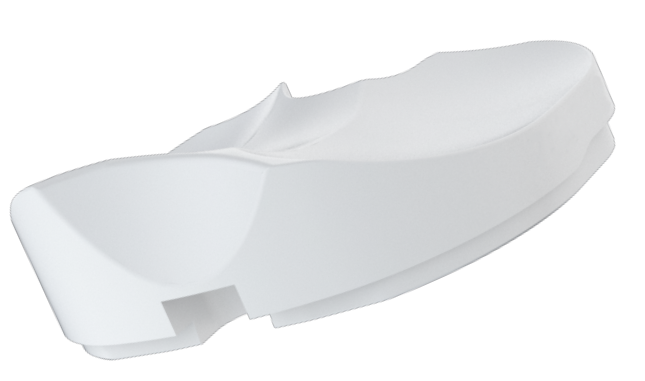
The insert has been designed with a deep recess to the patellar groove for patellar tendon relief, a raised anterior medial lip to provide medial stability, and a lateral condyle arcuate path for natural knee function, facilitating the rotation of the lateral condyle about the medial condyle, thus providing natural knee kinematics. The smooth posterior chamfer of the poly insert prevents vital soft tissue impingement. The Medial side acts as a partial “Ball and Socket Joint”, providing no paradoxical motion and addressing mid-flexion to high flexion instability.
View size chart
View size chart
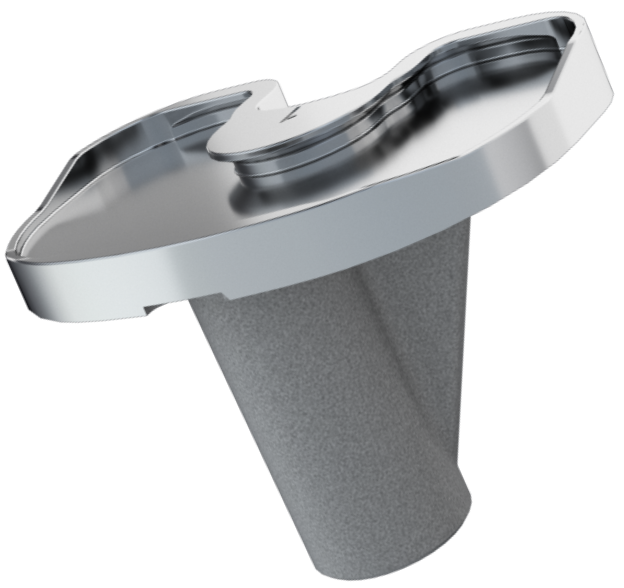
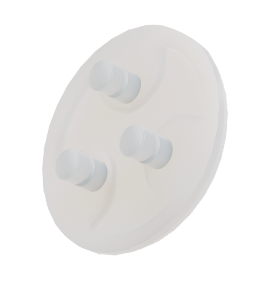
The proven dovetail locking and continuous peripheral rim mechanism help minimize the micro motion anteroposterior and mediolateral, leading to minimum backside wear.
View size chart
View size chart


| STUDY NAME | TYPE OF STUDY | TOTAL PATIENTS | STATUS |
|---|---|---|---|
| Medial Pivot with Kinematic Alignment Study | Retrospective Study | 52 | In Process for Publication |
| Cruciate retaining Medial Pivot study | Retrospective Study | 555+ | Ongoing Recruitment |
| Robotic Medial Pivot Joint Study | Retrospective Study | 253+ | Ongoing Recruitment |
| Saviour Hospital Excel MPK Study | Retrospective Study | 252+ | Under Publication |
The medial-pivot knee is designed to more closely replicate the kinematics of the native knee. Kinematic alignment is an emerging alignment philosophy that aims to restore the patient’s native anatomy and joint-line orientation while minimizing the need for soft-tissue releases. Combining these two approaches may provide a more physiological reconstruction of the knee and potentially improve postoperative function and patient satisfaction. This study aims to evaluate the clinical and functional outcomes of medial-pivot total knee arthroplasty performed using a kinematic alignment technique.
The cruciate-retaining medial-pivot knee is designed to preserve the native posterior cruciate ligament while incorporating a medial-pivot geometry intended to replicate the natural kinematics of the knee. Preservation of the posterior cruciate ligament, together with the inherent stability of the medial-pivot design, may provide a more physiological pattern of knee motion while maintaining satisfactory stability and function. This study aims to evaluate the clinical and functional outcomes of cruciate-retaining medial-pivot total knee arthroplasty at one year following surgery
The medial-pivot knee is designed to replicate the physiological kinematics of the native knee, with enhanced medial compartment stability and controlled lateral compartment motion. Robotic-assisted surgery may facilitate accurate bone preparation, component positioning, and alignment, potentially improving the reproducibility of medial-pivot knee implantation. This study aims to evaluate the clinical and functional outcomes of robotic-assisted medial-pivot total knee arthroplasty using the Cuvis Joint Robot for implantation of the Excel Medial-Pivot Knee (MPK) at one year following surgery
The Excel Medial-Pivot Knee (MPK) is designed to replicate the physiological kinematics of the native knee and provide enhanced medial compartment stability during knee motion. This registry is intended to prospectively collect clinical, functional, and patient-reported outcomes of patients undergoing Excel MPK total knee arthroplasty at Saviour Hospital. The registry will provide real-world evidence on the safety, clinical performance, functional outcomes, and survivorship of the Excel MPK over short- and long-term follow-up