Companies




Explora productos por área de especialidades médicas o terapias

Artroplastia
Producto por terapias
Producto por tipo
Medicina Deportiva
Producto por terapias
Portafolio de rodilla - Reconstrucción A CL /PCL
Portafolio de rodilla - Reparación de meniscos
Portafolio de Hombros - Bankart/Slap Repair
Portafolio de Hombros - Reparación de manguito rotador
Producto por tipo
Implante de fijación cortical de lazo ajustable
Sistema de Reparación Meniscal Todo Interior
Todas las anclas de sutura
Tornillos de interferencia bioabsorbibles
Ancla de sutura PEEK sin nudos
Tornillos de interferencia PEEK
Scope
Anclajes de sutura PEEK atornillados
Reparación de tejidos blandos PEEK Anclajes
Tornillos de interferencia de titanio



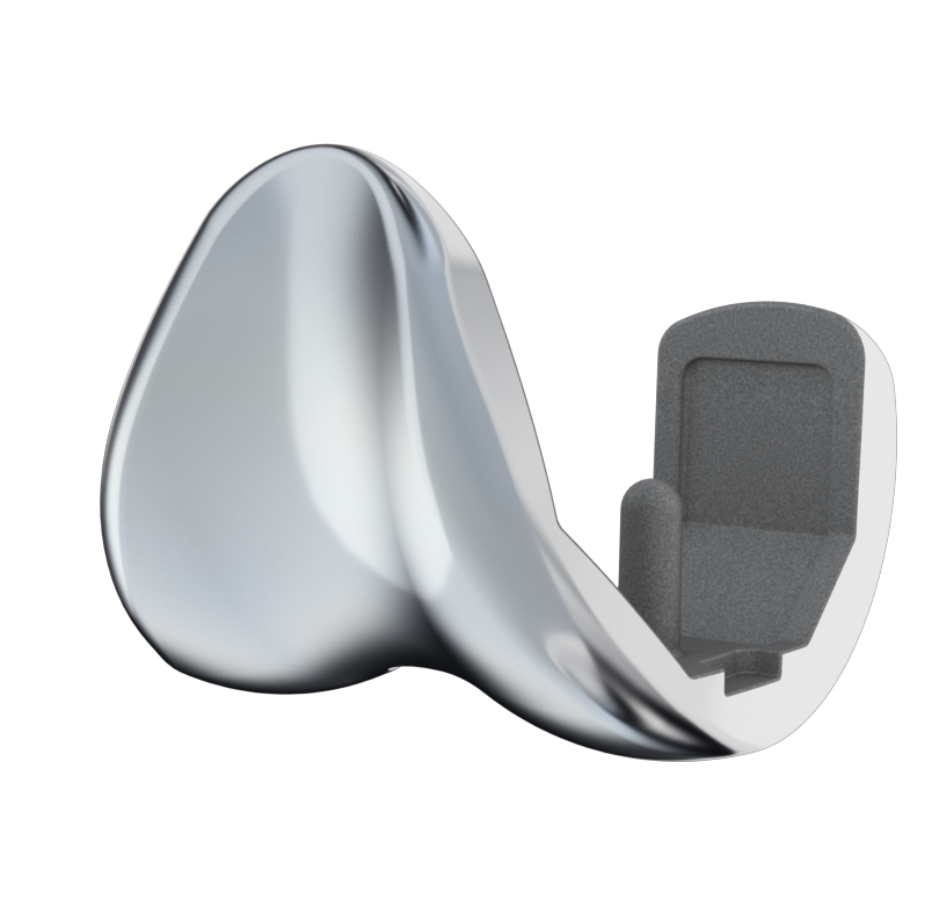
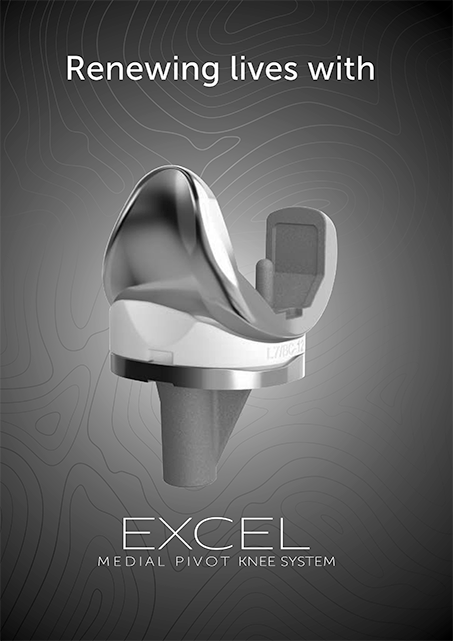
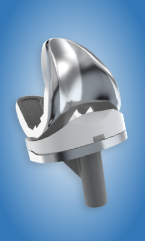
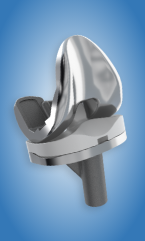
Arco de radio único para proporcionar una mejor estabilidad anteroposterior a través de un solo radio de curvatura de 0° a 115°, radio de curvatura optimizado en cóndilo posterior con radio de curvatura reducido para flexión profunda sin impactar el inserto de poli.
View size chart View size chart
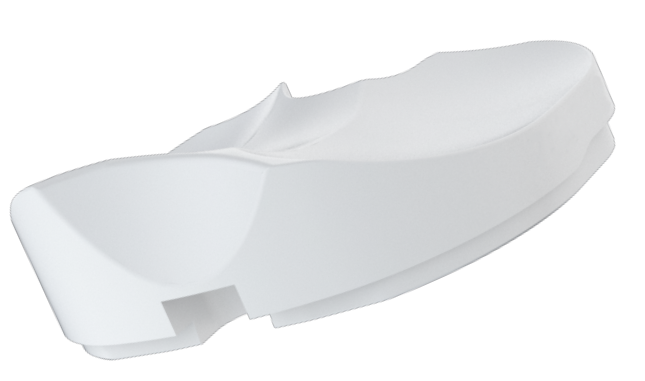
El inserto fue sido diseñado con una muesca profunda en el surco rotuliano para aliviar la carga del tendón rotuliano, una pestaña medial anterior elevada para proporcionar estabilidad medial, y una vía en forma de arco del cóndilo lateral para un funcionamiento natural de la rodilla, facilitando la rotación del cóndilo lateral alrededor del cóndilo medial , proporcionando así una cinemática natural de la rodilla. El bisel posterior pulido del inserto de polietileno evita el impacto sobre el tejido blando vital. El lado medial actúa como una “articulación de bola y zócalo” parcial, evitando el movimiento paradójico y solucionando la inestabilidad entre la flexión media y la flexión alta.
View size chart
View size chart
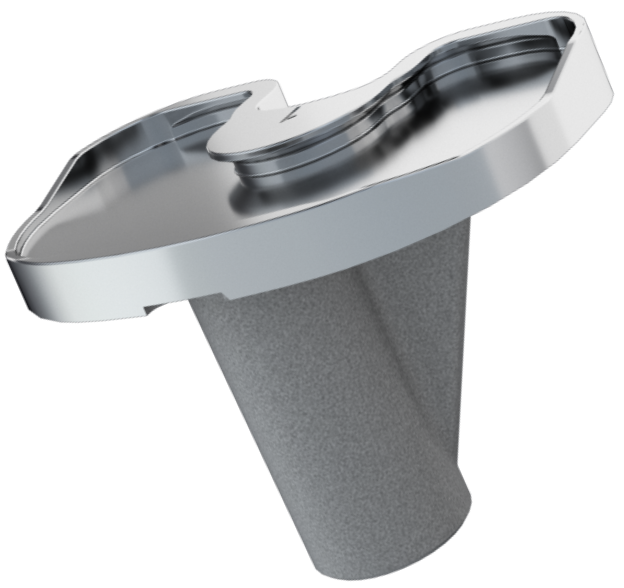
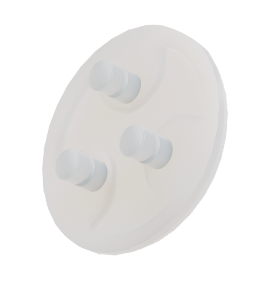
El mecanismo de encastre de cola de milano probado y el borde periférico continuo minimizan el micromovimiento anteroposterior y mediolateral, lo que se traduce en un mínimo desgaste dorsal.
View size chart
View size chart


| STUDY NAME | TYPE OF STUDY | TOTAL PATIENTS | STATUS |
|---|---|---|---|
| Medial Pivot with Kinematic Alignment Study | Retrospective Study | 52 | In Process for Publication |
| Cruciate retaining Medial Pivot study | Retrospective Study | 555+ | Ongoing Recruitment |
| Robotic Medial Pivot Joint Study | Retrospective Study | 253+ | Ongoing Recruitment |
| Saviour Hospital Excel MPK Study | Retrospective Study | 252+ | Under Publication |
The medial-pivot knee is designed to more closely replicate the kinematics of the native knee. Kinematic alignment is an emerging alignment philosophy that aims to restore the patient’s native anatomy and joint-line orientation while minimizing the need for soft-tissue releases. Combining these two approaches may provide a more physiological reconstruction of the knee and potentially improve postoperative function and patient satisfaction. This study aims to evaluate the clinical and functional outcomes of medial-pivot total knee arthroplasty performed using a kinematic alignment technique.
The cruciate-retaining medial-pivot knee is designed to preserve the native posterior cruciate ligament while incorporating a medial-pivot geometry intended to replicate the natural kinematics of the knee. Preservation of the posterior cruciate ligament, together with the inherent stability of the medial-pivot design, may provide a more physiological pattern of knee motion while maintaining satisfactory stability and function. This study aims to evaluate the clinical and functional outcomes of cruciate-retaining medial-pivot total knee arthroplasty at one year following surgery
The medial-pivot knee is designed to replicate the physiological kinematics of the native knee, with enhanced medial compartment stability and controlled lateral compartment motion. Robotic-assisted surgery may facilitate accurate bone preparation, component positioning, and alignment, potentially improving the reproducibility of medial-pivot knee implantation. This study aims to evaluate the clinical and functional outcomes of robotic-assisted medial-pivot total knee arthroplasty using the Cuvis Joint Robot for implantation of the Excel Medial-Pivot Knee (MPK) at one year following surgery
The Excel Medial-Pivot Knee (MPK) is designed to replicate the physiological kinematics of the native knee and provide enhanced medial compartment stability during knee motion. This registry is intended to prospectively collect clinical, functional, and patient-reported outcomes of patients undergoing Excel MPK total knee arthroplasty at Saviour Hospital. The registry will provide real-world evidence on the safety, clinical performance, functional outcomes, and survivorship of the Excel MPK over short- and long-term follow-up